 Act 1 · CDMX
 Monumental ofrendas and intimate museums
Mexico City wakes as an open-air gallery: monumental ofrendas in the Zócalo, artists’ altars at the Anahuacalli Museum and Frida Kahlo’s Casa Azul with a private curator.

Oct 28 to Nov 6, 2026 · Mexico · Highlands
Where memory blooms
2026 edition completely sold out · Thank you to everyone traveling with us this year
The celebration begins in
Those who sleep in our memory are not dead
UNESCO · Intangible Cultural Heritage of HumanityThe celebration
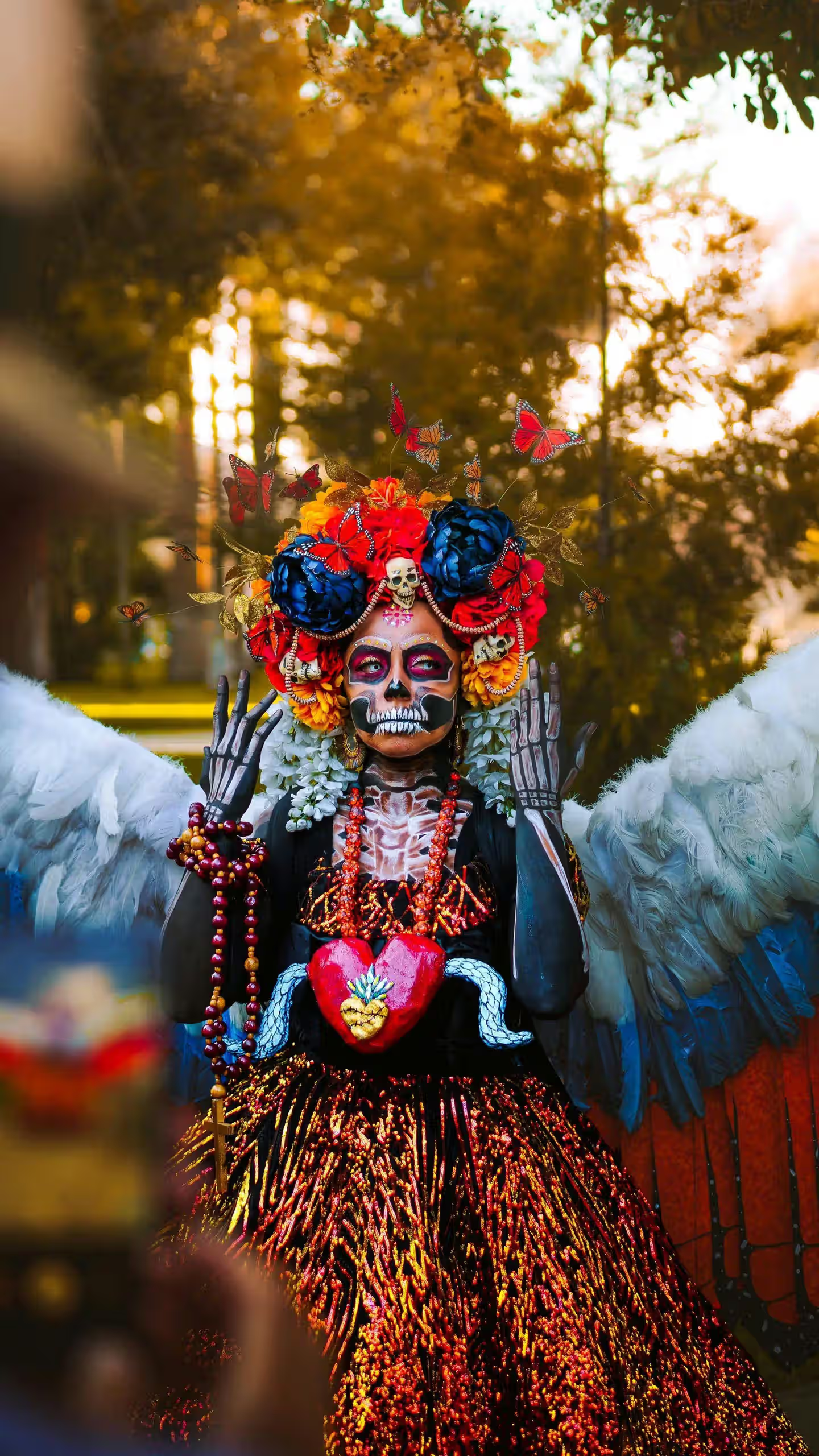
Every year, in late October and early November, all of Mexico transforms. Altars bloom in the plazas; thousands of candles light up the cemeteries; homes fill with pan de muerto and cempasuchil. UNESCO declared it a Masterpiece of the Oral and Intangible Heritage of Humanity: a tradition blending the pre-Hispanic worldview with colonial Catholicism.
CocoVolare opens the right doors so you live it from the inside. Not as a spectator: as a guest. With the families who still hang flowers on their doors, the bakers who knead the bread, the guides who grew up among candles.
The moments
Act 1 · CDMX Mexico City wakes as an open-air gallery: monumental ofrendas in the Zócalo, artists’ altars at the Anahuacalli Museum and Frida Kahlo’s Casa Azul with a private curator.
Act 2 · Michoacán A private canoe crossing of Lake Pátzcuaro at dusk. On the island, thousands of candles light the cemetery while Purépecha families keep vigil.
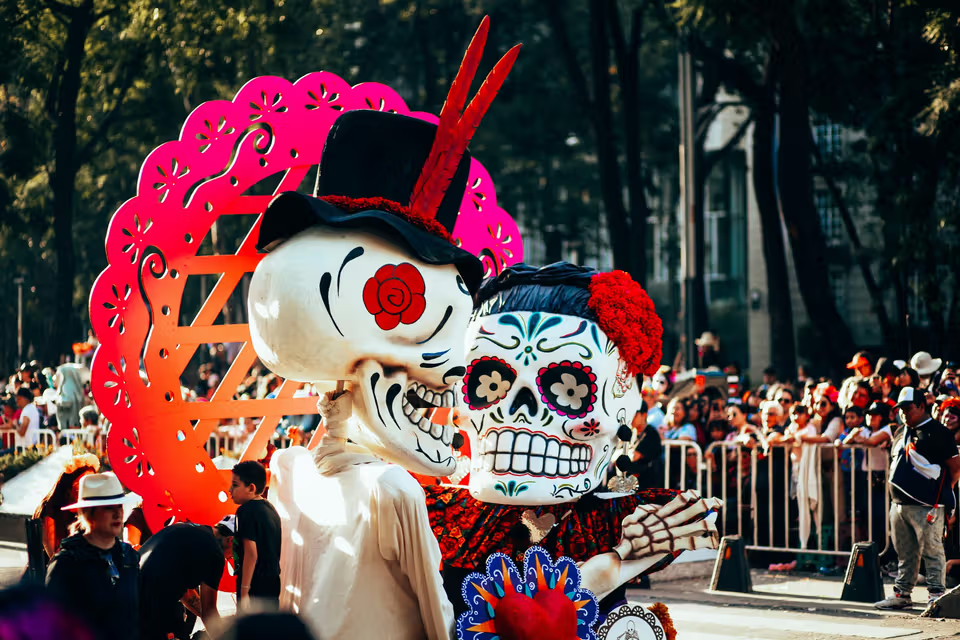 Act 3 · CDMX
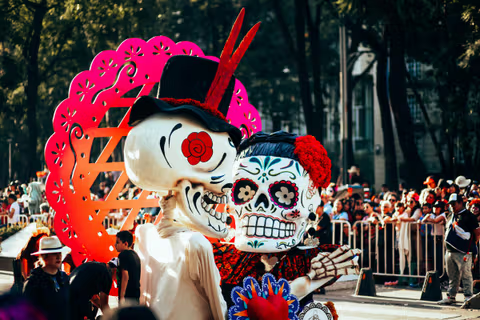
 Floats, giant catrinas, brass bands and hundreds of thousands of spectators along Paseo de la Reforma, with a reserved spot for you.
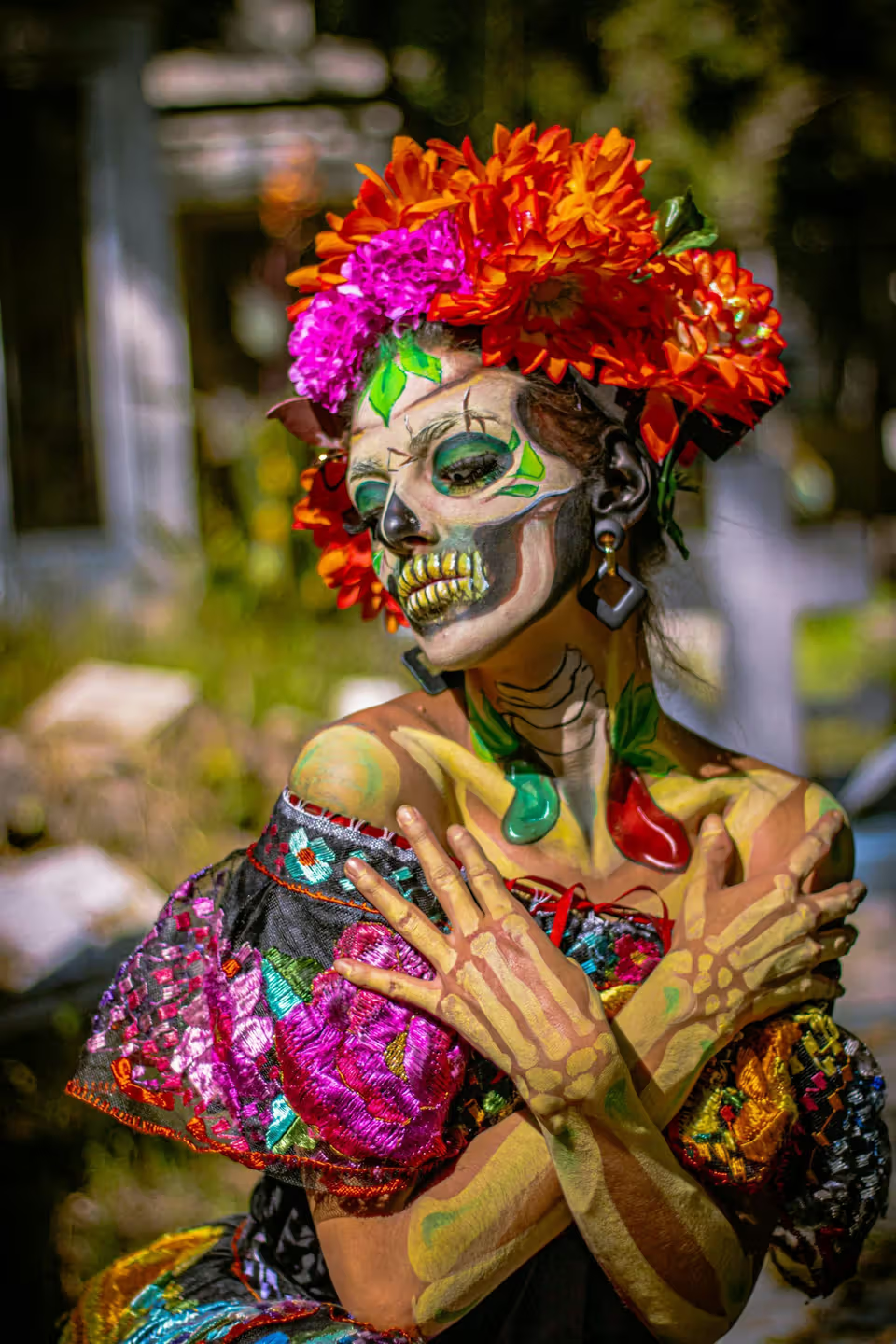 Act 4 · Mixquic
 San Andrés Mixquic preserves the purest highland tradition: at 8pm on November 2, thousands of families enter the cemetery and light it with candles. Intact since the 16th century.
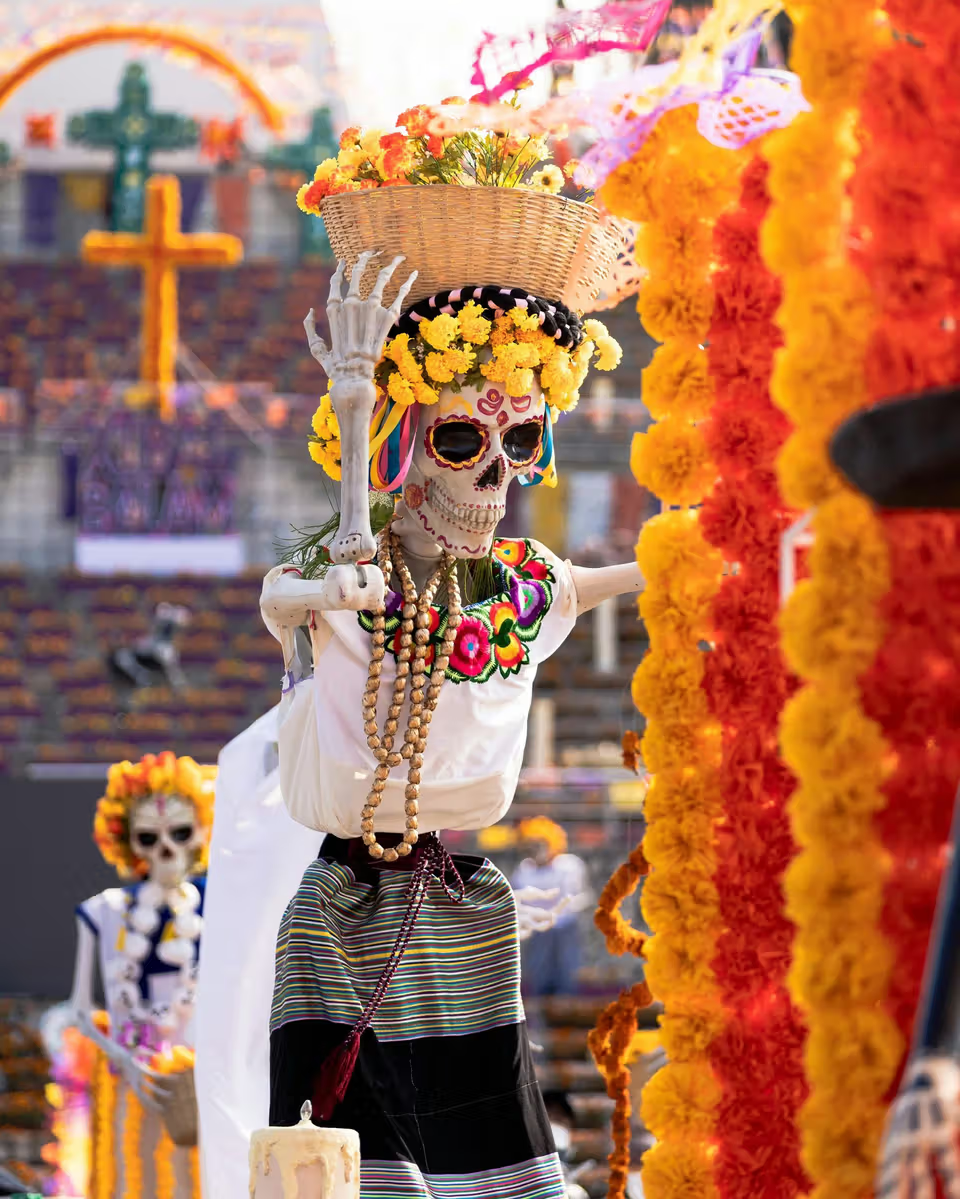 Act 5 · Guanajuato
 As night falls, Guanajuato lights up: cloaked estudiantinas with lutes lead a callejoneada through cobbled alleys, small plazas and baroque churches, amid legends, university ofrendas and the festive echo of Día de Muertos.
The packages
This is how the sold-out 2026 edition was lived. Click a package to see the full itinerary; the 2027 edition opens soon.
Comparison
The same boutique standard in all of them: the cities, nights and depth of the journey change.
| Raíces | Ánimas | Origen | Mágico | Esencia | Inmersión | |
|---|---|---|---|---|---|---|
| Destinations | Mexico City | CDMX + Morelia · Pátzcuaro | CDMX + Morelia · Janitzio · Mixquic | CDMX + Guanajuato | CDMX + Guadalajara + Tequila | CDMX + Guanajuato + Guadalajara + Tequila |
| Days · Nights | 5 · 4 | 6 · 5 | 8 · 7 | 8 · 7 | 8 · 7 | 10 · 9 |
| Nights per city | CDMX 4 | CDMX 3 · Morelia 2 | CDMX 7 | CDMX 4 · GTO 3 | CDMX 4 · GDL 3 | CDMX 4 · GTO 2 · GDL 3 |
| Domestic flights | 0 | 0 | 0 | 2 | 1 | 2 |
| Curated experiences | 6 | 9 | 8 | 8 | 8 | 12 |
| Ideal for | Immersion in CDMX | Night of the Souls | At your own pace | Ancestral and colonial | Culture and tequila | Complete journey |
| 2027 edition prices | To be announcedcoming soon | To be announcedcoming soon | To be announcedcoming soon | To be announcedcoming soon | To be announcedcoming soon | To be announcedcoming soon |
2026 edition completely sold out. The 2026 edition completely sold out: thank you to everyone traveling with us this year. The 2027 edition opens soon and its prices are yet to be announced. Leave your details and we will notify you before it goes public, with priority.
In motion
Why with CocoVolare
You enter as a guest, not a spectator.
Every detail solved before you ask.
You just let go; the logistics are ours.
Small groups per edition: the last 2026 spot filled and booking closed. Thank you for so much trust.
Symbols
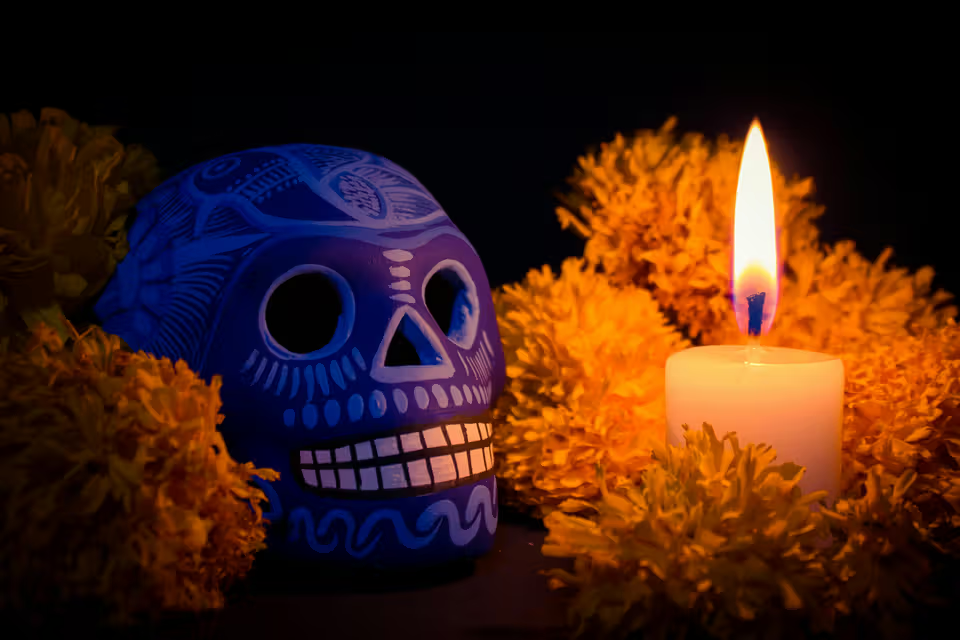
The yellow flower whose scent and color guide the souls home. A petal path from the door to the altar.
The light that marks the way in the dark. Each candle is lit for a loved one, for a dead person with a name.
The ritual food par excellence. The strips of dough represent bones; the central ball, the skull.
Sweets with the name of the departed written on the forehead. They celebrate death without fear.
The sacred smoke that purifies the space and connects the world of the living with that of the dead.
The photograph naming who is awaited that night. The emotional heart of the altar.
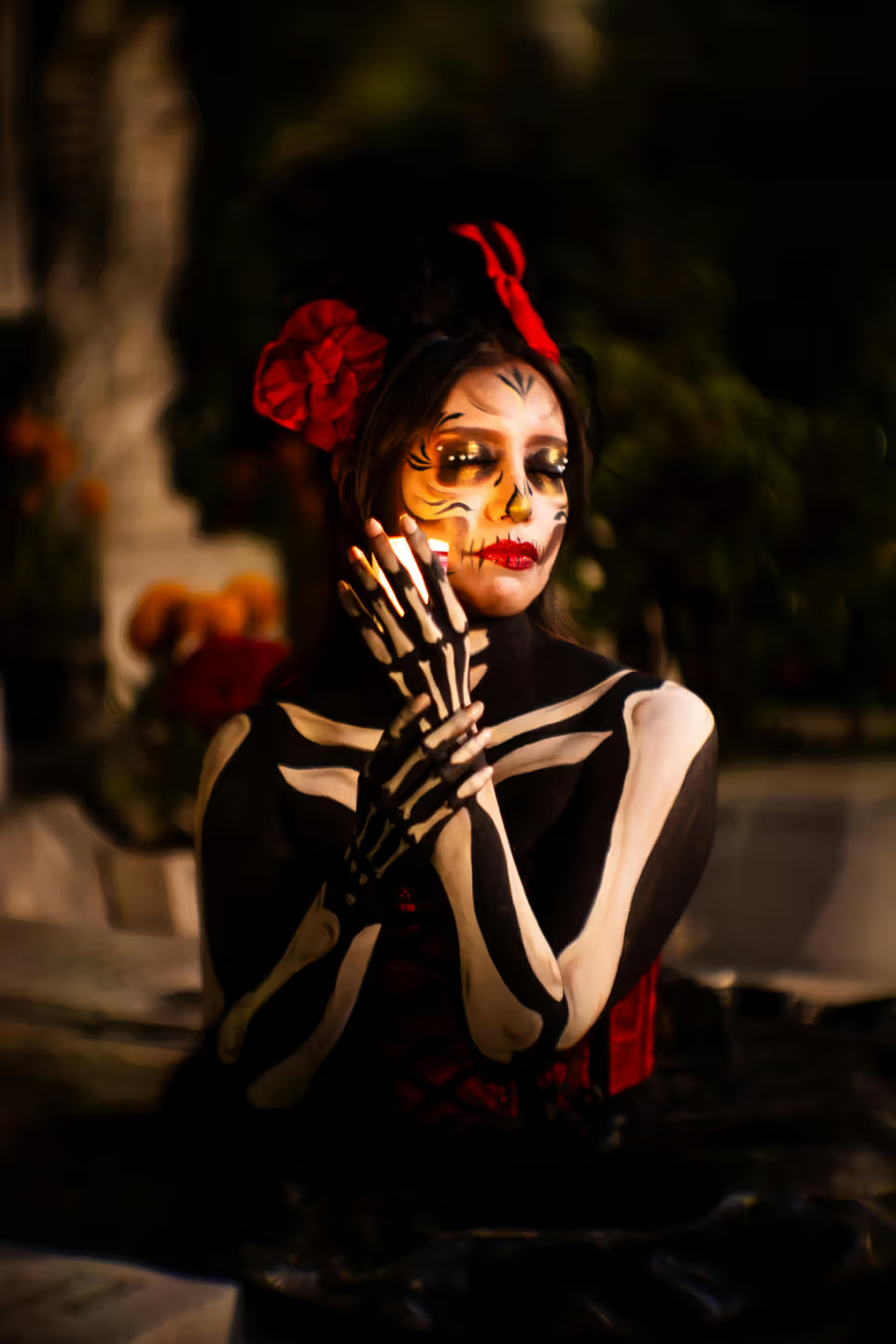
Born in 1912 with Posada’s engraving as social critique: death makes everyone equal. Diego Rivera made her an icon.
Hand-cut paper banners. The wind that moves them symbolizes the arrival of the souls.
Images that stay
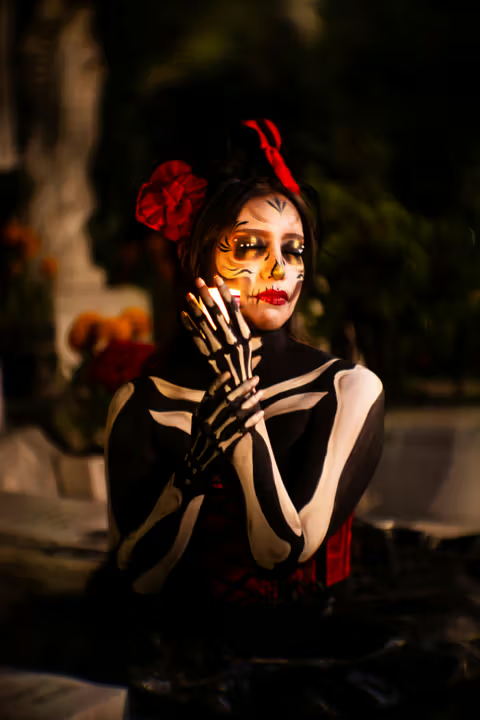
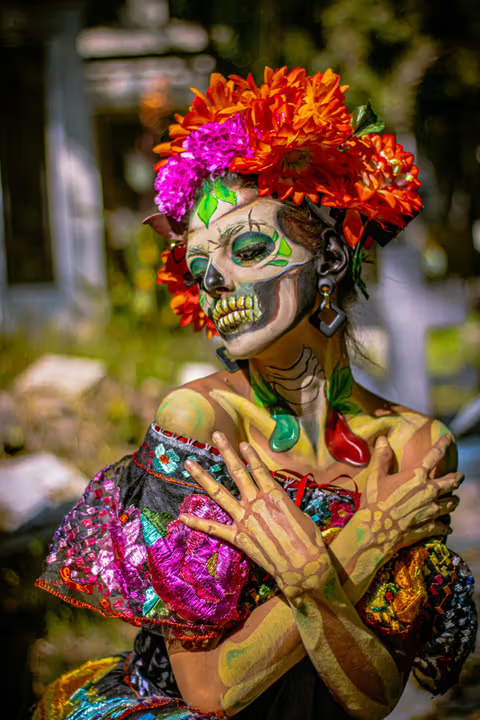
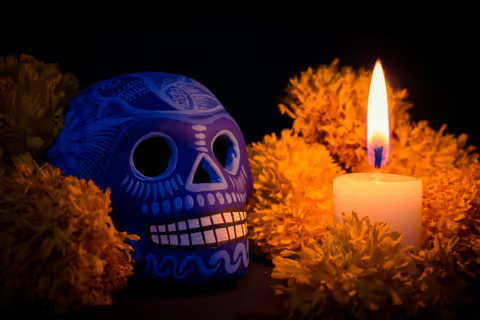
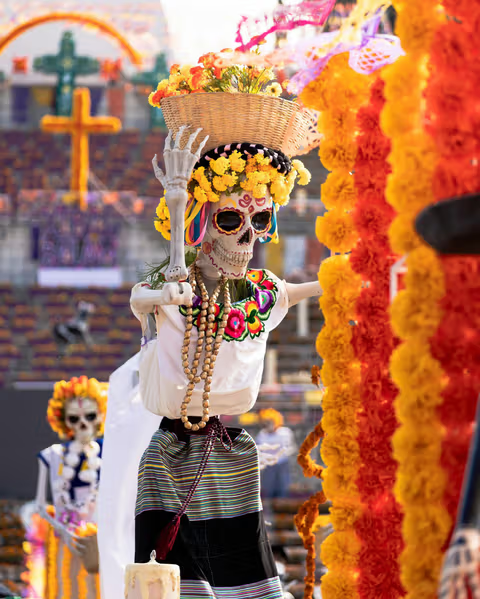
FAQ
Day of the Dead is celebrated on November 1 and 2, 2026, with major celebrations starting in late October. Our 6 packages operate between October 28 and November 6, 2026, each with exact dates shown on its package card.
It depends on how many days you have and what you want to live. Raíces (Mexico City, 5 days) and Ánimas (CDMX plus Janitzio) are ideal for a focused first time; Mágico and Origen combine CDMX with Guanajuato or Morelia; Esencia adds Guadalajara and the tequila route; Inmersión is the most complete. Write to us and we will help you choose.
The 2026 edition completely sold out: thank you to everyone traveling with us this year. The 2027 edition opens soon, with spots just as limited. Write to us and you join the list with priority: we notify you before it goes public.
Yes. Packages that include Mexico City cover the grand parade and the city’s main celebrations, with logistics and transfers coordinated so you arrive at a great spot, stress-free.
Both, and that is the beauty of it. The Mexico City parade is modern spectacle; the Night of the Dead in Janitzio and the cemeteries of Michoacán are living tradition, recognized by UNESCO as Intangible Heritage. Our itineraries combine both faces with local guides who explain the meaning of each ritual.
Yes. Day of the Dead is a family celebration in Mexico and our itineraries adapt to the pace of your group: private transfers, central hotels and flexible timing. Tell us who is traveling and we adjust the plan.
Each package details in writing what it includes: flights shown as reference, hotels, transfers, experiences and 24/7 concierge. The 2027 edition prices are yet to be announced; once published, the "from" price will correspond to triple occupancy and your exact quote for your dates will arrive before you pay anything. Leave your details and we will tell you first.
It depends on your nationality. Many passports from the Americas and Europe enter Mexico visa-free as tourists; check your case in the official source airlines use (IATA Travel Centre) or with the Mexican consulate in your country before booking.
Mild days and cool nights: in Mexico City and the Bajío expect 22 to 25 °C by day and 8 to 12 °C at night. Pack layers, comfortable walking shoes and something warm for the cemetery nights, which are outdoors and long.
Yes, that is our craft: every package is a base we tailor to you. Add beach nights in the Riviera Maya, upgrade hotels or extend to Oaxaca. Tell us what you imagine and we design it with you.
Oct 28 to Nov 6, 2026
Thank you to everyone traveling with us this year. The 2027 edition opens soon: ask for your place on the priority list.